5 Lessons I Learned the Hard Way as a First-Time Plant Parent—and How You Can Help Your Houseplants Thrive
- If your home does not offer sufficient natural light for the plants, place them under grow lights.
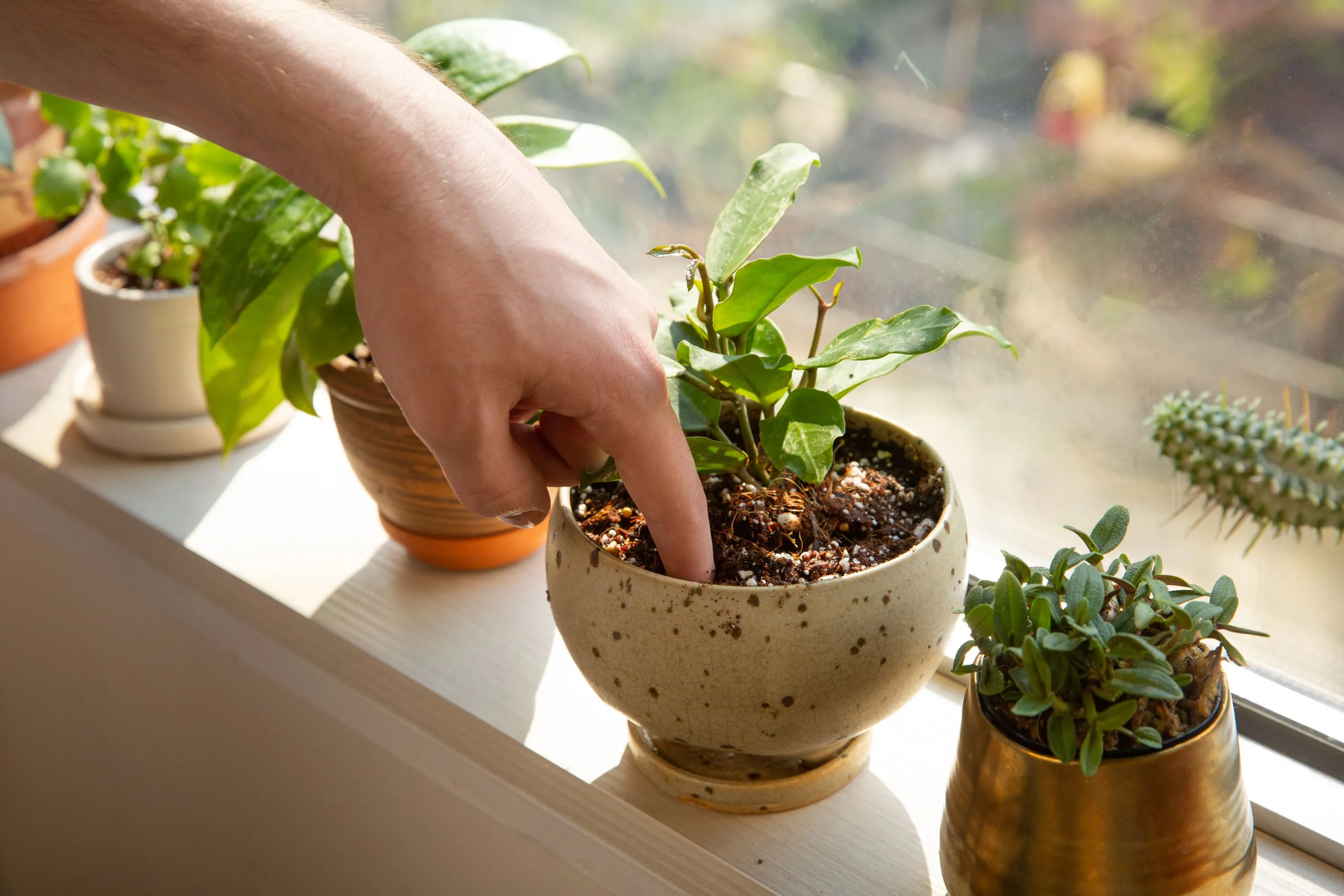
- Water plants deeply when the soil appears light and dry; use the finger test to check moisture levels.
- Use potting soil with aeration materials like perlite for healthy roots, and consider clear pots to monitor root and soil health.
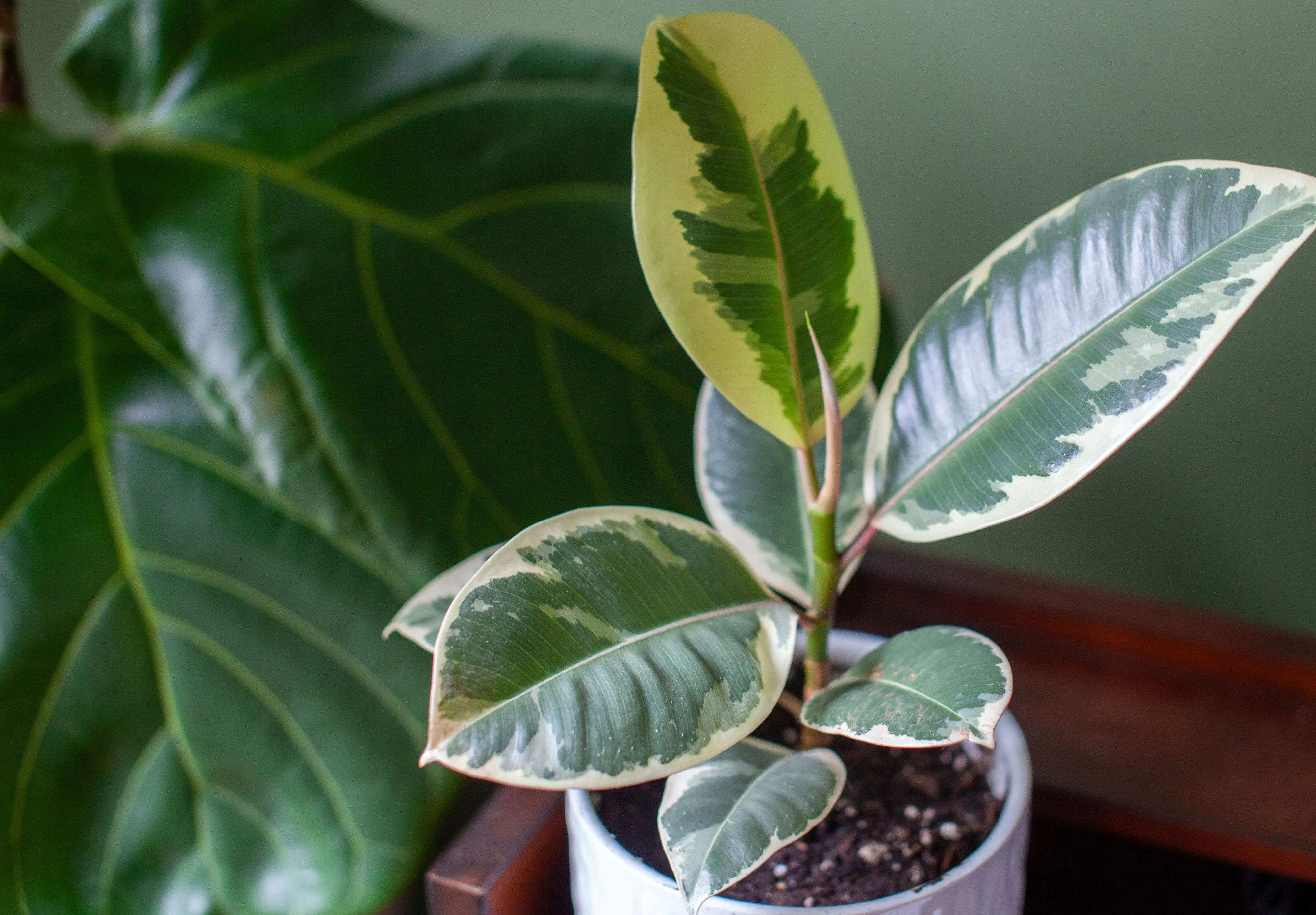
Not too long ago, I dragged my sisters to our local flower district to buy five houseplants: a rosemary plant, a baby rubber plant, a money tree, a Moon Valley pilea, and a snake plant. As a first-time plant parent armed with some light internet research, I had high hopes for my new greenery, but a few months into their residence in my 10-by-11-foot flex bedroom, I’d categorize these poor plants as hanging in there.
Since bringing them home, though, I’ve chatted with some plant experts to figure out how I could take my new roommates from floundering to flourishing—and learned a few lessons that could help any struggling plant parent take better care of their charges. Here’s what the experts told me.
- Molly Hoffmanis the owner of Roots Plant Company, a specialty houseplant shop in Elizabeth City, North Carolina.
- Eliana De Jesusis an environmental horticulturist based in Florida.
- Britt Parrishis a home and garden content creator, plant consultant, and host of the <em>Rooted In Growth</em> podcast.
1. Pick Plants That Suit Your Space
I’m sad to admit that, while they’re still hanging on, my rosemary plant (Salvia rosmarinus) and ‘Moon Valley’ pilea (Pilea mollis) are in the worst shape out of the five plants I brought home. Experts point to—and I can confirm—my lack of research on the plants and on the environment I brought them into as the source of their suffering.
“I don’t recommend rosemary as an indoor plant because they require full, direct sun,” says Molly Hoffman of Roots Plant Company. “If you have anything less than a south-facing window that gets hot, crazy sun all day long, it’s not going to be happy.” (After a quick check of the compass app on my phone, I confirmed that my windows face northeast.)
The good news? Although rosemary requires direct sun, it is possible to keep it indoors. Hoffman recommends supplementing the sun with a grow light—a small halo light that clips onto the rim of the pot and mimics sunlight.
My ‘Moon Valley’ pilea is suffering because of the lack of humidity in my New York City apartment. While pileas can get by in a regulated household environment, they thrive in areas with moderate to extremely high humidity. When I mentioned my plant choice to Hoffman, she suggested moving the plant from my bedroom into a well-lit bathroom or kitchen—any room with higher relative humidity.
2. Drench Your Soil
One of the most common misconceptions surrounding houseplant care—one I definitely bought into—relates to watering. As it turns out, watering your plants not frequently enough or watering them too frequently is the bigger issue. On the other hand, the amount of water you give them each time is less problematic. As long as the pot you’re using has a large drainage hole, any excess water will leave the pot, so there is no risk of overwatering it. “Drench that soil,” recommends Hoffman. “Fully saturate every piece of soil so the roots are encouraged to grow into every piece.”
Related
3. Pay Close Attention to Know When to Water
So, how do you determine when to water your plant? I was under the impression that if a plant looked dry, it was time. It turns out that’s not totally incorrect. Environmental horticulturalist Eliana De Jesus encourages plant owners to look for visual clues. If the soil of a plant appears very light in color and almost dusty-looking, it’s time to drench it. Leave the plant alone if the soil appears darker in color and moist.
That said, there’s a more universal—and quite simple—technique that both de Jesus and Hoffman practice: the finger test. Stick your finger into the soil before watering and take note of how far down you get before the soil feels moist. The type of plant you’re gauging will determine how far down in the pot your finger should go before feeling moisture. If you stick your finger into the pot of a snake plant (Sansevieria trifasciata), Hoffman argues the soil should be dry all the way to the bottom.
“Snake plants—because they have those big, thick rhizomes—can store water for weeks and weeks and weeks,” says Hoffman. If she had to guess, Hoffman would say it’s been over three months since she’s watered the snake plant she keeps in her bedroom.
4. Invest in the Proper Supplies
The first thing I did after bringing my plants home was order cute pots from Amazon. All I cared about was that my new pots would be more exciting than the drab clay pots my plants had traveled home in—I didn’t research if there was a certain type of pot I was supposed to get. Luckily for me, each of the pots I ordered came with drainage holes. Unluckily for me, I wasn’t aware that the nursery soil the plants came planted in should’ve been replaced when I repotted them.
Britt Parrish, a home and garden content creator and plant consultant, explains that using amended soil is key, and it’s a step beginners often forget.
“The roots of a plant are what we’re taking care of, and the foliage is just the reward,” says Parrish. Roots need aeration and drainage; they need oxygen to flow to them. Straight soil from the garden, given its high density and compactness, cannot provide these conditions. You must use amended soil that has materials like perlite, orchid bark, or coco coir chips added. These additions “create texture, and chunkiness, and pockets so that air can get to those roots and so drainage can happen,” Parrish says—ultimately allowing the roots to breathe. You can buy commercial potting soil or mix your own.
And if you can invest in clear pots, Parrish always recommends doing so. This takes away a lot of the guessing game when it comes to properly caring for your plants because you can see the roots and the soil and spot any issues before they affect the whole plant.
5. Listen to Your Plants
If this is your first time raising houseplants and they aren’t looking as beautiful as when you first bought them, Parrish wants you to keep in mind that the biggest teacher is your plant. “If you’re willing to pay attention and listen to your plant—like actually listen to what it needs and what it’s trying to tell you—then you can usually figure the issue out,” she says.
Attempting to raise five houseplants in my first go as a plant parent was maybe not my best decision, but I’m doing what I can to keep them alive. While the rosemary plant and ‘Moon Valley’ pilea might not have been the smartest choices for my home environment, they have a bright future—I have a grow light on the way.
- <span>Gardening</span>
- <span>Houseplants</span>
- <span>Caring for Houseplants</span>