Optimizing Blood Sugar: A Guide to Canned Foods for Nutritional Balance
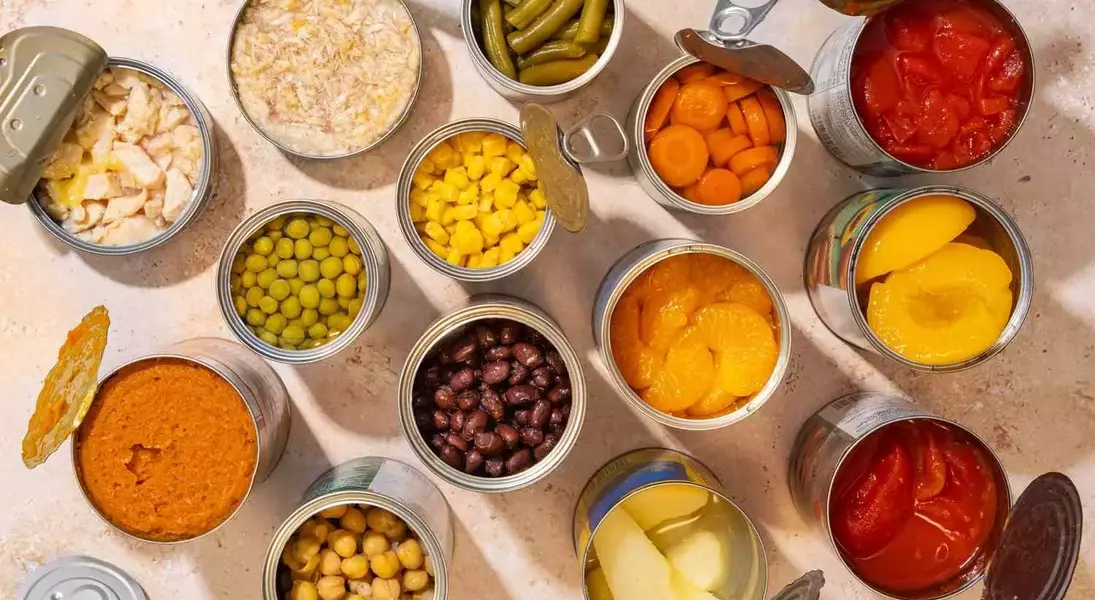
Canned food items can be a highly convenient and economical way to improve dietary fiber and protein intake, both crucial for managing blood sugar levels. By providing nutrient-dense options that support stable glucose, these pantry staples offer practical solutions for everyday meals and snacks.
Canned fish, such as tuna and salmon, stands out as an excellent protein source. A 3.5-ounce portion of canned tuna delivers 20 grams of protein, while canned salmon offers 22 grams. This protein content is vital for slowing digestion and enhancing satiety, which directly contributes to more stable blood sugar levels. Beyond protein, these fish also supply beneficial omega-3 fatty acids, known for supporting cognitive health and potentially mitigating age-related cognitive decline.
Canned chicken offers another simple way to incorporate lean protein into meals without requiring extensive preparation. A 3.5-ounce serving provides 25 grams of protein, making it an ideal ingredient for quick salads or casseroles. Similarly, canned vegetables are an accessible and budget-friendly method to boost fiber and micronutrient consumption. They are nutritionally comparable to their fresh counterparts, with their fiber content helping to slow down digestion and prevent rapid blood sugar increases. These versatile vegetables can be easily added to soups, stews, or served as a side.
Canned tomatoes are a valuable pantry item, serving as a base for sauces, salsas, and various other dishes. They are low in carbohydrates and rich in lycopene, an antioxidant that supports heart health. Adding canned tomatoes to casseroles, curries, or one-pot pasta dishes can enhance both flavor and nutritional value. Canned beans, including black beans and chickpeas, are exceptional sources of both fiber and plant-based protein. A half-cup serving of black beans provides about 8 grams of protein and 6 grams of fiber, while chickpeas offer 7 grams of protein and 6 grams of fiber. This powerful combination helps to moderate glucose absorption, ensuring steady blood sugar levels throughout the day.
Canned pumpkin, particularly pumpkin puree, is another fibrous option, with a half-cup serving containing over 3 grams of fiber. Its high vitamin A content also provides antioxidant and anti-inflammatory benefits. Pumpkin can be incorporated into savory sauces, smoothies for a creamy texture, or soups. It also enhances moisture and reduces fat in baked goods. Lastly, canned fruits can be a convenient and affordable choice for blood sugar management. Opt for fruits packed in water or their own juice to minimize added sugar. Pairing canned fruit with protein or fat sources, such as Greek yogurt or cottage cheese, can help manage blood sugar more effectively, creating a satisfying and balanced snack.
When selecting canned foods, prioritize low-sodium or no-salt-added versions to support healthy blood pressure. If these options are unavailable, rinsing canned foods under cool water can help reduce sodium content. It is also important to check for added sugars, particularly in canned fruits, and to choose options canned in water or natural juice. Although canned foods have a long shelf life, it is wise to check expiration dates. Additionally, considering store brands can be a cost-effective way to access nutritious canned options without compromising quality.